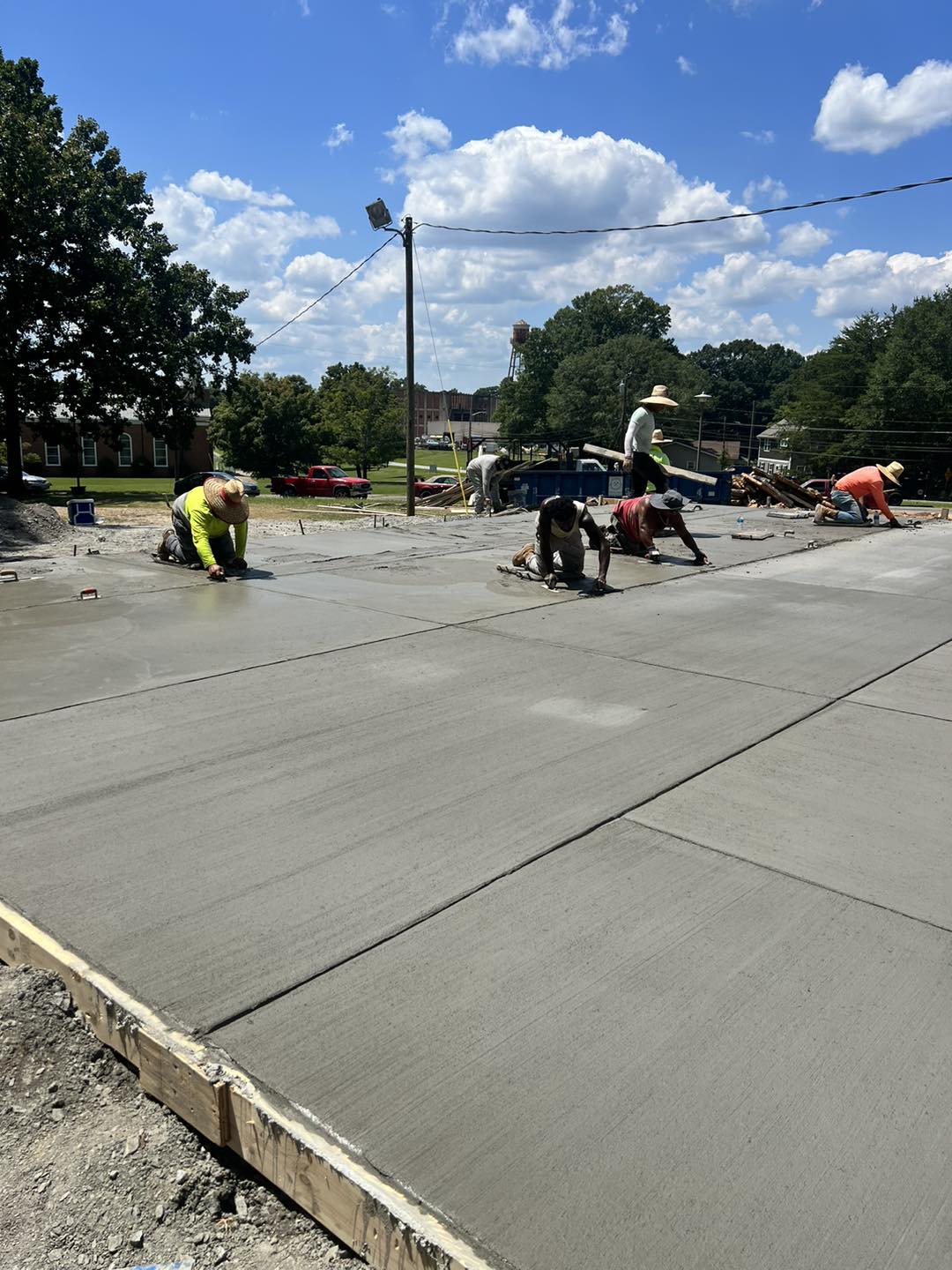
Achieving Precision in Concrete Finishing: Tips from Industry Experts Oct 31, 2025
Concrete finishing begins well before the concrete is poured. It starts with meticulous planning and preparation. Site preparation is crucial; ensure the area is level and free of debris. Using high-quality materials and the correct concrete mix is equally important. Opt for a mix that suits the specific requirements of your project, considering factors like load support and weather conditions. This sets the stage for a high-quality finish.
Timing is everything when it comes to concrete finishing. How you manage your time during the different stages of finishing—screeding, floating, and troweling—can affect the final outcome. Each step should be executed at the right moment. Screeding should begin as soon as the concrete is poured to ensure an even surface. After screeding, allow the concrete to set slightly before floating. This step helps in leveling the surface further and preparing it for the next stage.
Once the floating process is complete, it’s time to trowel. Troweling seals the surface and brings out the desired finish. Depending on your project needs, you may perform a single troweling for a matte finish or multiple trowelings for a smoother, polished look. Remember to be consistent in your movements, as irregularities can lead to an uneven finish. Precision and patience are vital here; rushing through the troweling process can undermine the quality of the entire job.
Environmental conditions can significantly impact concrete finishing. Temperature, wind, and humidity influence the setting time and moisture content of concrete. To manage these factors, consider using water-retention controls and protective covers like curing blankets. These tools help control the evaporation rate and ensure the concrete cures uniformly.
Incorporation of finishing aids can also enhance the outcome. Sealers and hardeners can be applied to the surface to increase durability, resistance to wear, and ultimately, the life span of the structure. At Allen's Concrete Finishing, we recommend selecting products that complement the intended use of your concrete surface. For example, a garage floor might require a different type of sealer compared to a decorative patio.
Post-finishing care is often overlooked but is truly essential. Proper curing is critical to achieving a strong, long-lasting finish. Curing methods like covering with wet burlap or using plastic sheeting ensure that the moisture content is maintained. Additionally, avoid heavy traffic on the newly finished surface for at least a week to prevent damage.
Precision in concrete finishing doesn't happen by chance—it's the result of careful planning, execution, and post-finishing care. By following these expert tips from Allen's Concrete Finishing, you can achieve a beautifully finished concrete project that stands the test of time. Trust in the process and remember that the keys to a successful finish are attention to detail and experienced craftsmanship.
Whether you’re a DIY enthusiast or a seasoned construction professional, mastering the art of concrete finishing can elevate the quality of your projects. If you require further assistance or professional services, Allen's Concrete Finishing is always here to support your construction endeavors.
/filters:no_upscale()/filters:format(webp)/media/8db613d5-cb81-4515-9564-41f334c73405.jpeg)
/filters:no_upscale()/filters:format(webp)/media/61a3706b-b8ea-45a8-9727-6a1989d42b21.jpeg)